
Most people think fertility is simply about timing ovulation, taking a test, or tracking hormones. But the biology behind conception is actually far more dynamic. Every month, a hidden communication network is happening inside the reproductive tract. Cervical mucus becomes a selective gateway, bacteria inside the vagina shift in composition, and the immune system temporarily relaxes so it can tolerate sperm. These micro-changes decide whether the body is in an environment that supports fertilisation or one that makes it more difficult.
Understanding this deeper layer of biology not only empowers women, but also explains why some cycles feel predictable while others feel completely different even when hormones look “normal.”
1. Cervical Mucus: The Body’s Natural Fertility Indicator
Cervical mucus is one of the most accurate biological reflections of hormonal fluctuations across the menstrual cycle. It is constantly adapting its structure and composition based on rising or falling hormone levels.
How estrogen transforms mucus before ovulation
As estrogen rises in the late follicular phase, cervical mucus becomes:
- clear
- stretchy (often compared to raw egg white)
- more alkaline
- full of microscopic channels that guide sperm
This environment is intentionally designed to support:
- sperm survival
- rapid movement toward the cervix
- DNA protection against oxidative damage
Odeblad’s foundational work described how mucus structure changes hour-by-hour before ovulation (Odeblad, 1994), while more recent findings show fertile phase mucus increases sperm transport efficiency significantly (Stanford et al., 2021).
How progesterone closes the “fertility window”
After ovulation, progesterone rises sharply. This hormone thickens the mucus into a dense, sticky plug. Its purpose is protective:
- stopping sperm from entering
- reducing the risk of infection
- sealing the cervix during the luteal phase
This shift explains why women often see dramatic changes in mucus quality depending on where they are in their cycle.
2. Vaginal Microbiome: A Silent Architect of Fertility
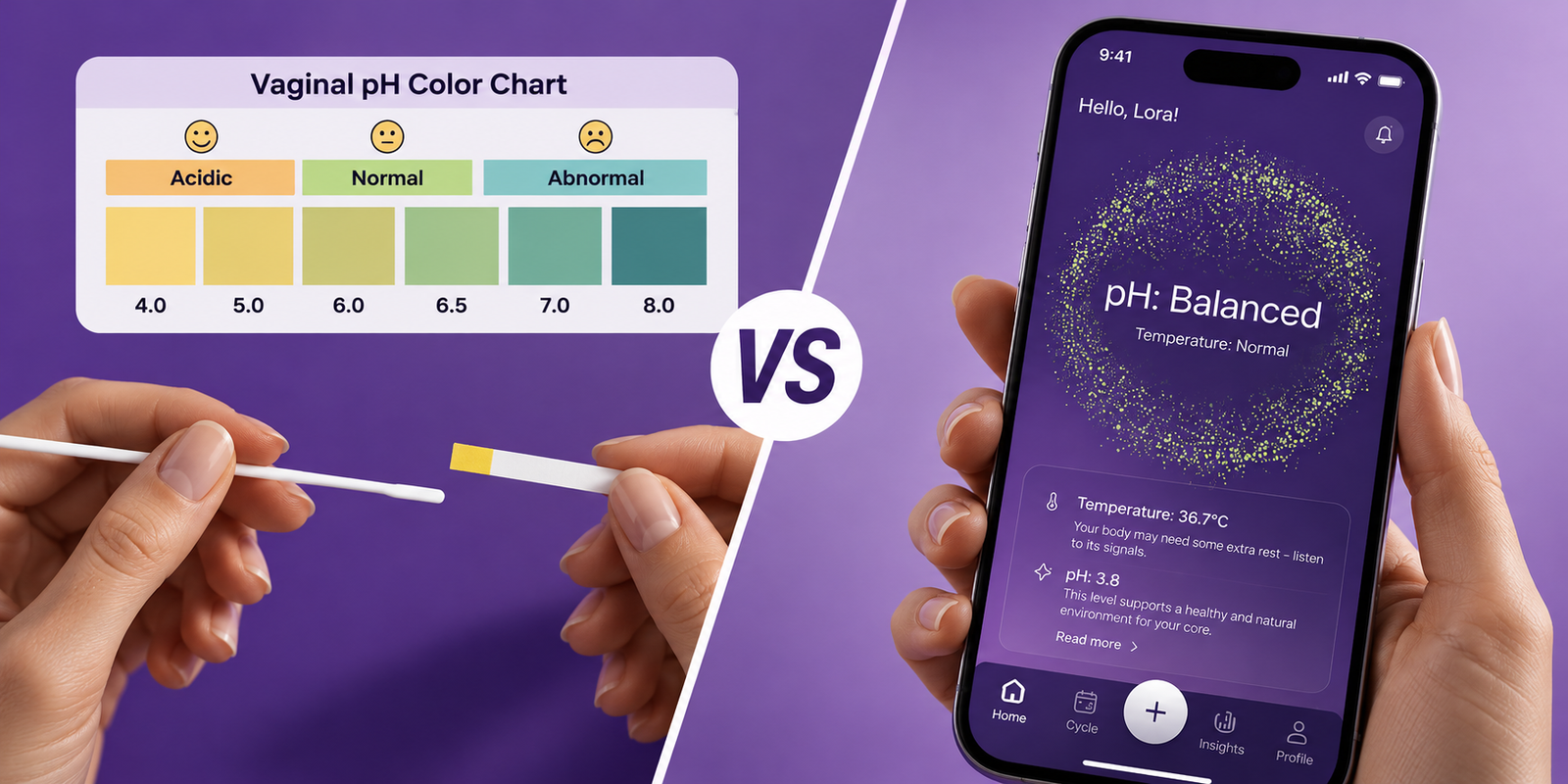
Beyond hormones and mucus, the vaginal microbiome is another key player in fertility. A healthy microbiome is dominated by Lactobacillus species, which produce lactic acid and maintain the vagina’s naturally acidic pH.
Why Lactobacillus dominance matters
A Lactobacillus-rich microbiome:
- reduces inflammation
- protects against pathogens
- supports sperm safety
- promotes a stable fertile environment
When Lactobacillus levels drop, several reproductive challenges can appear. Low Lactobacillus states are linked to:
- reduced sperm motility
- increased inflammatory markers
- altered endometrial receptivity
- higher risk of preterm birth (García-Velasco et al., 2020)
- greater difficulty conceiving
- increased miscarriage rates (Moreno et al., 2016)
Stable microbial communities are therefore essential not just for fertility, but for healthy implantation and pregnancy outcomes.
3. Hormones, Immunity & Microbial Shifts Across the Cycle
Hormones do more than control ovulation, they actively shape the microbiome and immune tolerance throughout the month.
Estrogen and microbiome stability
Estrogen supports Lactobacillus growth by increasing glycogen availability in the vaginal epithelium. Lactobacillus converts this glycogen to lactic acid, which keeps pH low and unfriendly to harmful bacteria.
Progesterone and immune tolerance
Once ovulation occurs, progesterone becomes dominant. It:
- reduces immune reactivity
- limits inflammation
- prepares the reproductive tract to tolerate sperm and a potential embryo
This immunological shift is subtle but essential for conception.
Stress and cortisol
Chronic stress has measurable biological consequences. Cortisol can blunt the hormonal cues that normally support microbial stability (Nyangale et al., 2019). Women under sustained stress often report:
- disrupted cervical mucus patterns
- more infections
- inconsistent cycle biomarkers
This is one reason why fertility can be impacted even when ovulation occurs normally.
4. Daily Lifestyle Factors That Influence Fertility Biology
Even with healthy hormones, everyday variables can reshape the vaginal environment, mucus quality, and microbial balance.
Key factors include:
• Antibiotics
They can drastically reduce Lactobacillus populations, creating temporary dysbiosis.
• Sexual activity
Changes pH, microbiome composition, and mucus quality within hours.
• Vaginal products
Many cleansers, wipes, or fragranced washes disrupt pH and beneficial bacteria.
• Diet
Dietary fibre, hydration, and probiotic-rich foods influence microbial stability.
• Stress + sleep
Sleep deprivation affects cortisol rhythms, which indirectly influence mucus and immunity.
• Smoking
Smoking increases oxidative stress, reduces mucus elasticity, and alters microbiome composition (Schwenker et al., 2020).
All these elements explain why two cycles can be biologically very different even if hormones “look the same” on paper.
Conclusion
Fertility isn’t just about ovulation or hormonal peaks it’s a coordinated biological system. Cervical mucus changes, microbial balance, hormonal rhythms, and immune adaptations all work together to create a window where conception becomes possible.
By understanding these deeper biological patterns, women gain a more complete and empowering view of their reproductive health. This micro level perspective also highlights why modern cycle technologies must look beyond single hormones and consider the full biological environment of the cycle.