
Women’s health isn’t defined by biology alone. Around the world, patriarchal norms, economic inequality, and cultural values determine who gets care and who doesn’t. Understanding these forces reveals that women’s health is less a matter of nature than of social design.
Patriarchy as a Global Health Hazard
Patriarchal systems harm women’s health in measurable ways.
- Gendered Violence: Intimate partner violence, often rooted in male dominance, remains a leading global threat to women.
- Nutritional Neglect: Gender bias in food distribution, especially in South Asia, leaves countless girls and women anemic and malnourished.
- Mental Health Gaps: Unpaid labor and limited autonomy burden women emotionally, explaining higher rates of anxiety and depression.
Why Men Are Missing from Maternal Care
Men’s absence from maternal health is not apathy, it’s structural.
- Cultural Stigma: In many places, male involvement is mocked as weakness.
- Economic Barriers: Men often skip clinics to prioritize income-generating work.
- Exclusionary Systems: Health services are rarely designed for joint participation, with clinics that alienate men through space design and rigid protocols.
Health Is a Cultural Construction
Health priorities vary dramatically across cultures. What one society views as urgent may be overlooked elsewhere. For instance, in many global health initiatives, women’s most serious reproductive conditions such as cervical cancer, pelvic inflammatory disease, infertility, miscarriage, stillbirth, fistulas, uterine prolapse, and pain during sexual intercourse remain largely neglected. These are often the very issues women identify as their most pressing, described by researchers as their “silent suffering”.
This disconnect reveals how public health agendas frequently privilege institutional or Western perspectives over women’s current and past experiences. Health, in this sense, is not universal, it’s deeply shaped by culture, belief systems, and the social meanings attached to illness and care.
Reimagining Femtech for Every Body
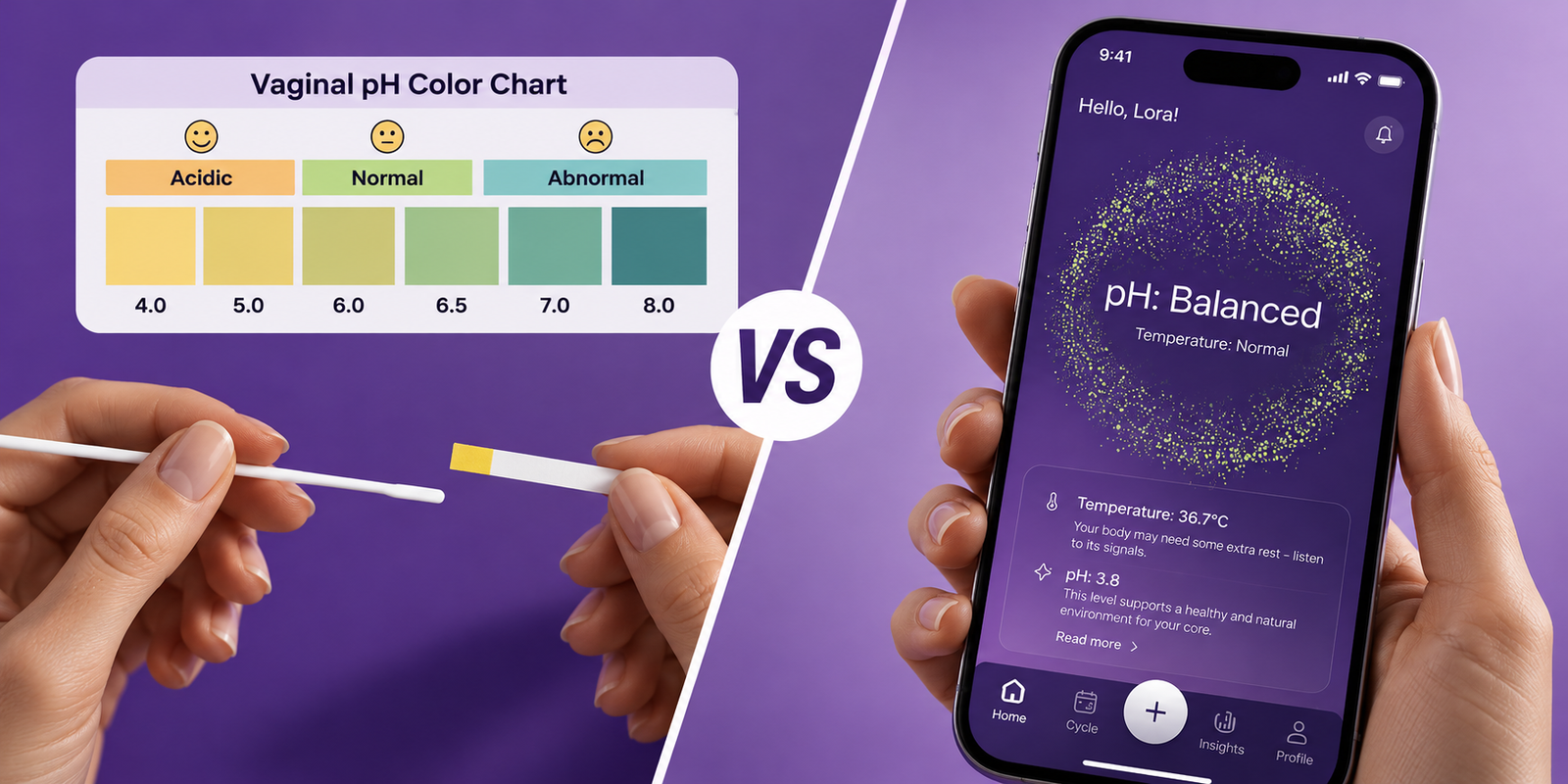
The booming “femtech” market, which is projected to exceed $100 billion by 2030, holds immense promise for advancing women’s empowerment but often risks reproducing deep-seated inequities. Many tracking apps place an undue burden on women to self-monitor their health while excluding users with diverse needs, such as those whose menstrual cycles differ from the standard 28-day model (a pattern that actually represents only a small fraction of women) or trans and non-binary individuals. When designed without scientific rigor and inclusive principles, such technologies can end up mirroring the very power imbalances they aim to resolve, transforming tools meant for liberation into mechanisms that reinforce systemic inequality.
Male Involvement: The Untapped Health Advantage
Encouraging men’s active participation during pregnancy and the postpartum period has been shown to significantly enhance women’s mental well-being. Research consistently links spousal support to lower rates of maternal depression and greater use of skilled birth attendance and postnatal care. In patriarchal contexts where men act as primary household decision-makers, their lack of awareness or involvement often leads to dangerous delays in seeking medical help, which is a key contributor to maternal mortality. As one study aptly states, “What men don’t know can hurt women’s health.”
Building an Equitable Future for Women’s Global Health
Women’s health cannot be separated from the social, cultural, and political forces that shape and constrain their lives. From patriarchal norms that increase the risk of violence and depression to health systems that actively exclude partners, these unseen structures have a powerful and direct impact on well-being. As we’ve seen, even our most modern solutions, like Femtech, risk reinforcing old biases if not designed with true equity in mind.
Achieving better health outcomes requires more than just medical innovation; it demands a fundamental redesign of the systems that perpetuate these inequalities. The evidence is clear: when we dismantle barriers to male involvement, address cultural blind spots, and build technologies that serve all women, not just a normative ideal, we create the conditions for a healthier, more just world. The challenge, then, is not to find a new prescription, but to rewrite the social contract that governs women’s health in the first place.