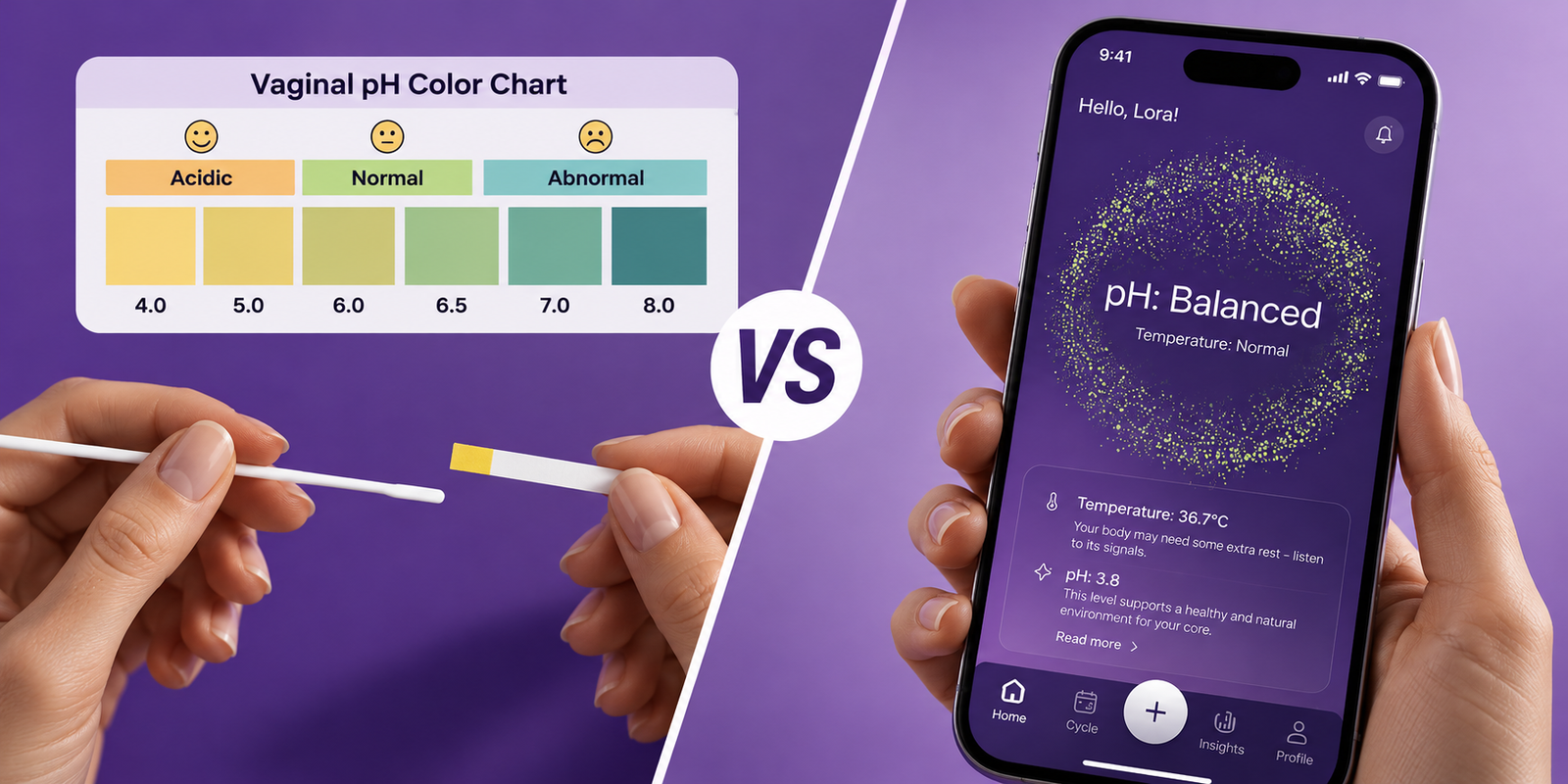

In women’s health and fertility technology, the integrity of clinical evidence determines not only regulatory success but also real-world impact. However, a persistent issue continues to limit innovation: most clinical and device validation data originate from Western, homogenous populations. This narrow foundation produces systemic bias, reduces global applicability, and risks embedding inequity into the very technologies meant to empower women’s health.
The Evidence Gap in Women’s Health Research
Women have historically been underrepresented in clinical research and medical device validation. For much of the 20th century, clinical science treated male physiology as the universal standard, leading to significant knowledge gaps in female-specific health conditions (Balch, 2024).
A review of high-risk medical device trials between 2016 and 2022 found that women comprised only about one-third of participants, an imbalance that remains largely unchanged over the last decade (Lawrence, 2024). In many areas of medicine, data from Western, Caucasian, and higher-income populations continue to dominate clinical databases (Oertelt-Prigione and Turner, 2024).
This lack of diversity is not just a matter of representation. It directly affects how technologies perform, particularly in women’s health fields, such as fertility tracking, hormonal monitoring, and vaginal health, where biological and cultural variation is profound.
Consequences of Narrow Clinical Data
1. Reduced accuracy and safety risks
Medical devices and algorithms trained on narrow populations often perform less accurately in under-represented groups. Calibration errors, false readings, or misinterpretations are more likely when the biological range of the target user population is not reflected in the validation dataset.
2. Persistent inequities in women’s health outcomes
Under-representation reinforces mistrust and may exacerbate existing disparities in diagnosis and treatment. When women do not see their physiology reflected in research, confidence in technology declines (Bierer et al., 2022).
3. Constrained innovation and regulatory risk
Products built on non-representative evidence may fail to generalize globally, reducing both clinical performance and market success. Regulators are increasingly scrutinising trial diversity, noting that insufficient demographic breadth undermines generalisability (FDA, 2024).
Why Women’s Health Requires Inclusive Data
Women’s health is not uniform. Physiological, hormonal, microbiological, and behavioural patterns vary widely across populations. Diversity in clinical data is therefore not optional; it is fundamental to scientific accuracy.
• Physiological variation
Hormonal rhythms, menstrual cycle length, ovulatory patterns, and vaginal microbiome composition all differ across ethnicities, geographies, and environmental contexts. For instance, studies show that microbial community dominance, pH levels, and hormone metabolism differ significantly among African, Asian, and European women. Devices calibrated on a single “average” model risk misreading these natural differences.
• Sensor and algorithm calibration
Health-tech devices rely on machine learning models trained on physiological data. A fertility algorithm built predominantly on Western datasets may misclassify fertile windows for women from non-Western populations, reducing effectiveness and trust.
• Cultural and contextual relevance
Health behaviours and comfort with intimate technology differ globally. Without diverse recruitment and user testing, even the most sophisticated device can fail to meet cultural or practical expectations.
The Current State of Research
Recent findings underscore how critical this issue has become:
- Women, and particularly women of colour, remain under-represented in biomedical research, limiting biological understanding and contributing to health inequities (Bierer et al., 2022).
- Biases in sex and gender representation in clinical trials “substantially threaten the safety of therapy” and the accuracy of device outcomes (Oertelt-Prigione and Turner, 2024).
- Global data imbalance persists despite awareness, most AI-driven diagnostic and monitoring devices in women’s health still rely on North American or European datasets (Lawrence, 2024).
These data collectively show that women’s health technology remains at risk of being “one-size-fits-Western,” rather than global in its scientific design.
Building Better Science: Inclusive Clinical Validation
Evidence from leading research institutions and regulators supports a shift toward intentional diversity in study design. For women’s health technology developers, several best practices are now clear:
- Define the diversity of the intended user base early, including geographic, ethnic, age, and lifestyle variation.
- Recruit inclusively, partnering with clinics, community health centres, and academic sites in under-represented regions.
- Design stratified studies, ensuring each subgroup is adequately powered for analysis.
- Report disaggregated outcomes, accuracy, sensitivity, and usability by ethnicity, region, or physiological variation.
- Continuously recalibrate devices post-market through global data collection.
- Engage participants ethically, offering transparency on data use and community benefit.
By embedding these principles, developers can move beyond compliance and toward genuinely equitable health innovation.
Implications for Global Health Technology
Inclusive validation is not only an ethical commitment, it is a scientific and commercial advantage. Technologies built from diverse data:
- Exhibit superior accuracy across demographic groups.
- Meet regulatory expectations in multiple markets.
- Inspire trust among users and clinicians.
- Unlock richer biological insights, enhancing the intelligence of AI-driven platforms.
For women’s health and fertility technologies, these benefits directly translate into better diagnostics, safer outcomes, and broader adoption.
YON E Health’s Commitment to Inclusive Clinical Design
YON E Health’s clinical development philosophy is rooted in the understanding that no two women are the same. Physiology, environment, and lived experience vary enormously and so should the data that informs medical technology.
The company’s clinical roadmap prioritises multicultural, multi-regional validation, integrating cohorts from diverse populations to ensure that every device performs accurately, regardless of ethnicity, geography, or lifestyle. This means actively collaborating with global research sites, engaging under-represented communities, and continuously refining algorithms with real-world data.
YON E Health rejects the “one-fit-for-all” paradigm. Instead, we aim to build precision women’s health technologies that reflect the true biological spectrum of womanhood. Diversity in data is not a marketing promise, it is the foundation of scientific integrity.
As women’s health enters a new era of digital diagnostics, inclusivity will define excellence. Devices that understand every woman, everywhere, are not only more ethical, they are more intelligent. That is the future YON E Health is building: a world where women’s health technology is globally relevant, clinically precise, and scientifically just.